Skip to content

The best electric pressure cooker

A program is a pressure and a time with a label on it. The pressure underneath is the real specification, and half of this family does not publish it.

The highest published pressure, in steel

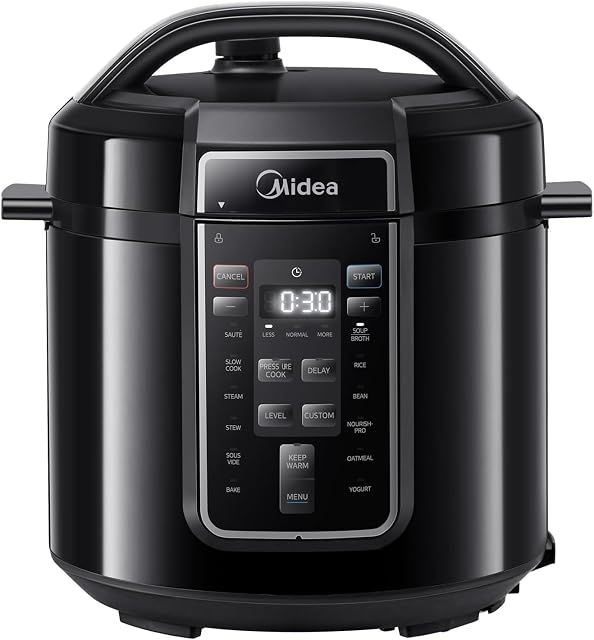
The Midea CS6037W publishes 80 kPa — the highest here — in a 6-liter body with a stainless inner pot rather than a coating. It also prints a real caution in its listing rather than burying it: after cooking liquid foods, do not turn the outlet valve or press the steam release.

Its function count is 9 in the name and 14 in the specification.

Three pressure levels, and named interlocks

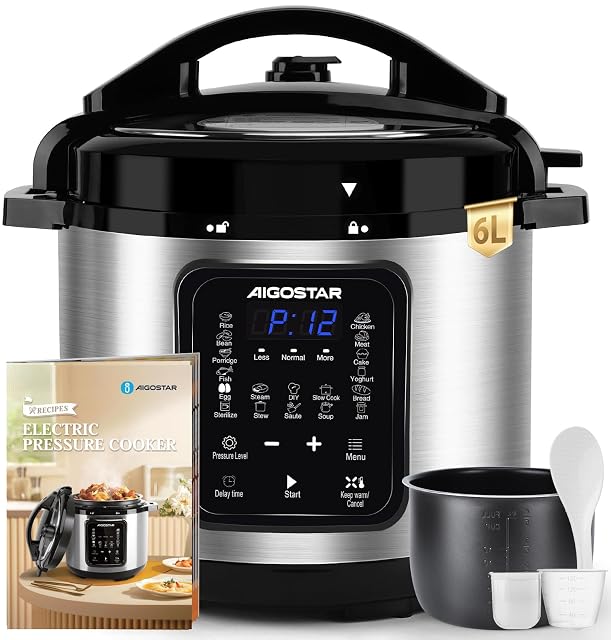
The Aigostar 6 L publishes 60 kPa across three selectable levels, 1,000 W, and more than ten safety systems named individually — pressure control valve, lid lock, overheat protection. A maker willing to list its interlocks is a maker that has them.

Its inner pot is coated rather than steel.

When you cook the same things

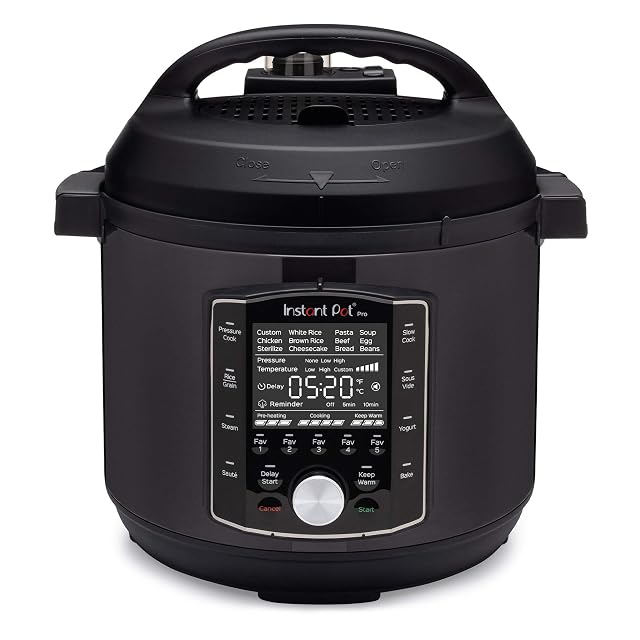
The Instant Pot Pro saves cooking times and temperatures to a single touch, which over a year is more useful than another program. 1,200 W, ten roles including a steriliser and sous-vide, stainless body.

It publishes no pressure figure at all, which at this price is the omission worth naming.

What we would not do

Buy on the number of programs. Fourteen labels on a machine that will not tell you its pressure is fourteen labels.

Which appliance earns its place?

You want cooking times cut down
That is what pressure does, and no other setting on the machine matters as much.
You want one appliance for everything
A multi-cooker adds slow cooking, rice and sautéing, and does each a little less well than a dedicated tool.
You cook mostly for one or two
A small pot comes to pressure faster, and that is where the time is actually spent.
You already have a stovetop pressure cooker
The electric version buys you timing and walking away, not speed.

Picking by what you make

Pulses and tough cuts

Where pressure genuinely changes the day: hours become tens of minutes.

Stock and broth

A use the format suits well, because it holds pressure unattended for a long time.

Rice and grains

Reliable and hands-off, though a rice cooker does it with less faff.

Sautéing before pressure

Practical, and the reason a single pot works for a whole dish. The searing is weaker than a pan, and that is the trade.

The handful of figures that count

Time to reach pressure
The number nobody publishes and everyone experiences. A big pot full of cold liquid takes a long time to come up, and that is part of the cooking time.
The lid lock and pressure release
The safety heart of the appliance. A clear, reachable release valve and a lid that cannot open under pressure are non-negotiable.
The inner pot
Stainless or coated: stainless survives searing and scrubbing, coated releases more easily and wears. It is a real choice, not a detail.
Sealing ring replacement
The ring absorbs smells and hardens. An appliance whose rings are sold separately stays usable; one whose are not becomes disposable.
Real usable volume
Pressure cooking has a maximum fill, lower still for foods that foam. The quoted capacity is never the working capacity.

Which figure for which kitchen

What you cookWhat mattersWhat to accept
Dried pulsesPressure and fill limitsFoaming needs a lower fill
Tough cutsLong unattended cyclesLittle browning
RiceConsistencyA rice cooker is simpler
A whole dish in one potSauté functionWeaker searing than a pan

The common slips

Counting only the cooking time
Coming to pressure and releasing it are part of the total. A ten-minute recipe rarely takes ten minutes from switching on.
Overfilling
Pressure cooking has a maximum fill line, and a lower one for foods that foam, like pulses and pasta. Passing it blocks the release valve.
Never changing the sealing ring
The ring hardens and takes on smells. A hard ring stops sealing, and the appliance simply never reaches pressure.
Forcing a quick release on foaming food
Releasing pressure fast on pulses or starchy liquid sprays the valve and the ceiling. Natural release exists for exactly that.

By the household you cook for

The batch cooker
A large pot, a stainless inner, and rings kept in stock. The format at its most useful.
The weeknight household
A medium pot: it comes to pressure faster, which is where the real time goes.
The one-pot cook
A model with a strong sauté function, accepting it browns less well than a frying pan.

Cleaning, parts and working life

An electric pressure cooker is maintained through its ring, its valve and its lid. All three are simple parts, and all three are what stops the appliance reaching pressure when they are neglected.

  • Wash and dry the sealing ring after every use, and store the lid upside down so it airs.
  • Check the release valve and the anti-block shield are clear, every time.
  • Wipe the rim and the condensate cup, where liquid collects.
  • Replace the ring when it hardens, deforms or holds a smell.

Safety

This is a pressure vessel, and the safety rules are not optional.

  • Never force the lid: it should be impossible to open under pressure.
  • Keep hands and face away from the release valve during venting.
  • Respect the maximum fill line, and the lower one for foaming foods.
  • Never operate with a damaged, missing or badly seated sealing ring.

Our choices, and what justifies them

  1. Midea CS6037W

    6 L · 80 kPa · stainless inner pot

    The highest published pressure of this family at 80 kPa, in a 6-liter body with a stainless steel inner pot. Midea lists nine functions in the name and fourteen in the specification, covering yoghurt, rice, slow cooking, sous-vide, steaming and pasta, with keep-warm on top.

    Best for: Anyone who would rather not own an inner pot with a coating on it.
    7.8/10

  2. Aigostar AIG-8433325206994

    6 L · 1,000 W · 60 kPa · 3 pressure levels

    A 6-liter electric pressure cooker that publishes the two figures this family is decided by: 1,000 W and up to 60 kPa, across three selectable pressure levels. Eighteen programs, a non-stick inner pot, more than ten stated safety systems, and — unusually — a printed multilingual recipe book rather than a PDF.

    Best for: A first electric pressure cooker, with three pressure levels and something printed to read.

    7.2/10

  3. Instant Pot 112-0167-01-EU

    1,200 W · 5.7 L · 10-in-1

    The Instant Pot Pro: 1,200 W in a 5.7-liter stainless body covering ten roles — pressure cooker, slow cooker, rice cooker, steamer, sauté pan, steriliser, yoghurt maker and sous-vide among them. Instant Pot states 20% faster preheating and up to 70% less cooking time, and that settings can be saved to one touch.

    Best for: A cook who repeats recipes and wants the machine to remember them.

    8.4/10

What readers want to know

Why does kPa matter more than the program count?

Because pressure is what changes cooking times against an ordinary pan, and it is a property of the machine. A program is a thermostat with a name. Of the four multi-cookers on this site, Midea publishes 80 kPa, Aigostar 60 kPa, and two publish nothing.

What wears out first?

The inner pot and the sealing ring, in that order. Both are replaceable, and both makers on this site publish the same interval for the ring: every two to three years. Check that spares are stocked in your country before buying.

Is it really faster?

For pulses and tough cuts, dramatically. For a quick vegetable, the time to reach and release pressure often cancels the gain.

Why does it never reach pressure?

Almost always the sealing ring, badly seated or hardened, or not enough liquid inside. Those two causes cover most cases.

Natural or quick release?

Quick for vegetables you do not want overcooked, natural for pulses, starchy liquids and anything that foams. Forcing a quick release on those sprays the valve.

Can I open it early?

Not while pressure remains, and the lid lock exists to make that impossible. The release valve is the only way down.

Stainless or coated inner pot?

Stainless survives searing and metal utensils; coated releases food more easily and wears out. Choose on how you cook, not on price.

Do the rings need replacing?

Yes, they are consumables: they harden and absorb smells with use. Keeping a spare avoids the evening the appliance simply will not seal.

Each appliance, and the kitchen it earns its space in

Midea CS6037W

Fits: Anyone who would rather not own an inner pot with a coating on it.
Main asset: 80 kPa — the highest published working pressure of the four here

Main drawback: The function count is 9 in the name and 14 in the specification

Read the full review →

Aigostar AIG-8433325206994

Fits: A first electric pressure cooker, with three pressure levels and something printed to read.

Main asset: Publishes its working pressure — 60 kPa — which half this family does not

Main drawback: 60 kPa is the lower of the two published pressures here — the Midea states 80 kPa

Read the full review →

Instant Pot 112-0167-01-EU

Fits: A cook who repeats recipes and wants the machine to remember them.

Main asset: 1,200 W published — the only multi-cooker here besides the Aigostar to publish a wattage

Main drawback: No working pressure published, on the most expensive machine in this family

Read the full review →

What each slice of budget covers

What goes with one of these

Baskets, liners and spares from the same aisle, at the price we recorded. Check they fit the appliance you pick before ordering: it depends on the capacity and the part number, which the product page states.

If you only read one line

Pairings worth reading

Two appliances compared directly, where that page already exists in this guide or this aisle.

How this order was decided

The appliances here are from the catalog of this site. Specifications are what the maker publishes and what the Amazon listing shows; prices are the Keepa figure on the date below, and both change. Ranking uses declared specifications, the balance of stated strengths and stated limits, and price. Nothing on this site has been cooked with, and no page here says otherwise.

Last checked on

Prices quoted in these summaries are dated readings. The live price is shown next to each product.

The tool we use ourselves

Chosen your tool? Now buy it at the right price.

Stand mixers and air fryers swing by fifty dollars or more across the year, and the biggest "discounts" often land at prices the same model sold for six weeks earlier. UniverTrack tracks the real price history across retailers, spots fake reductions, and alerts you when it is genuinely the moment to buy.

Real price historyBuy-now alertsAI buying assistant
Try free for 14 days →
No commitment · Cancel in one click · 5 languages