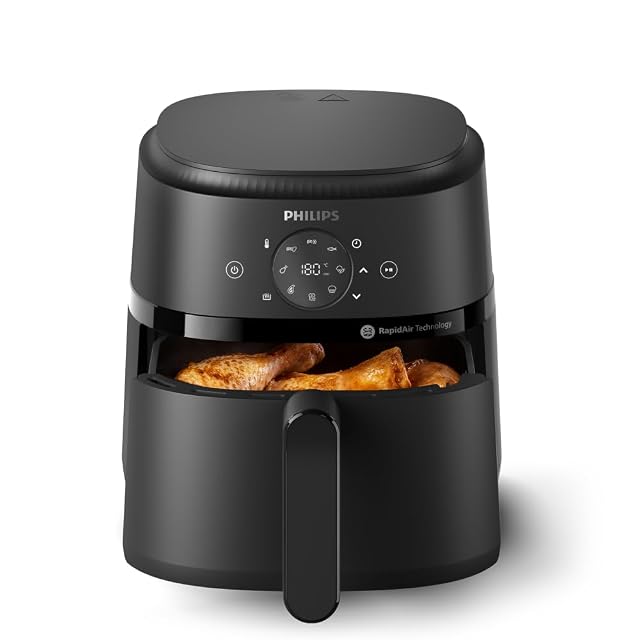
Philips appears in five appliance families on this site: air fryers,
countertop blenders, stick blenders, hand mixers and table grills — one
product in each.
What we found writing the reviews
Philips publishes what fits, not what it draws. The
Airfryer 2000 states 17.6 oz (500 g) of fries,
six drumsticks or 17.6 oz of vegetables in its 4.2-liter (about 4.4-quart)
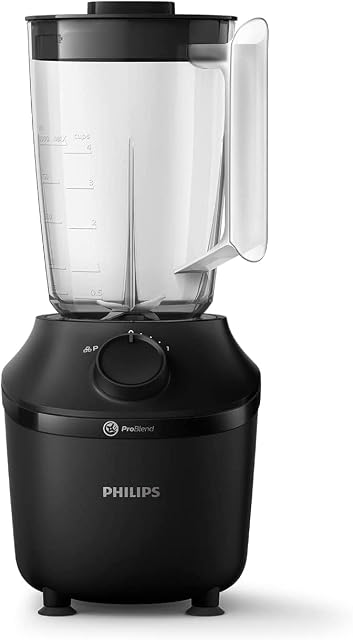
basket. The 3000 Series blender states up to
five 7-oz (200 ml) glasses from its 1.9-liter (about 8-cup) jar. Those are the
figures a household plans around, and few makers publish them.
And then it stops. The same Airfryer publishes no wattage and no
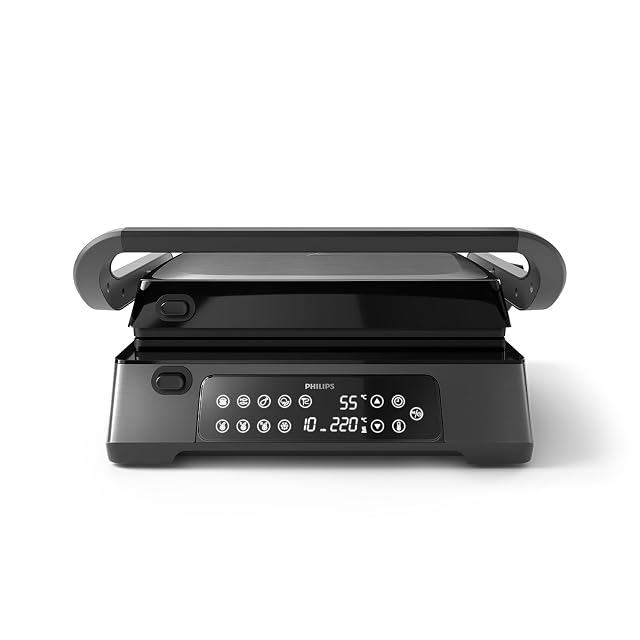
temperature range. The contact grill publishes
140 to 428 °F (60 to 220 °C) and a food probe — and no wattage and no plate
area. Of the five, only the hand mixer
publishes its power.
One speed, and a reason for it. The 3000 Series blender has a single
speed and a pulse, paired with a system Philips calls ProBlend and a stated
45-second blend time — a coherent design rather than a cost cut, but the
least control of any blender on this site.
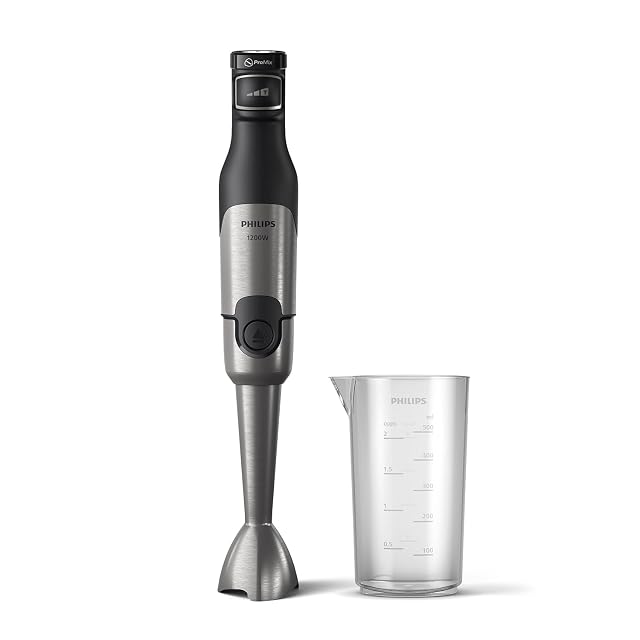
Two specifications about the awkward moments. The
5000 Series stick blender publishes an LED
speed display and a one-touch attachment change Philips states works
without setting the blender down. Neither makes a smoother soup; both remove
a daily irritation.
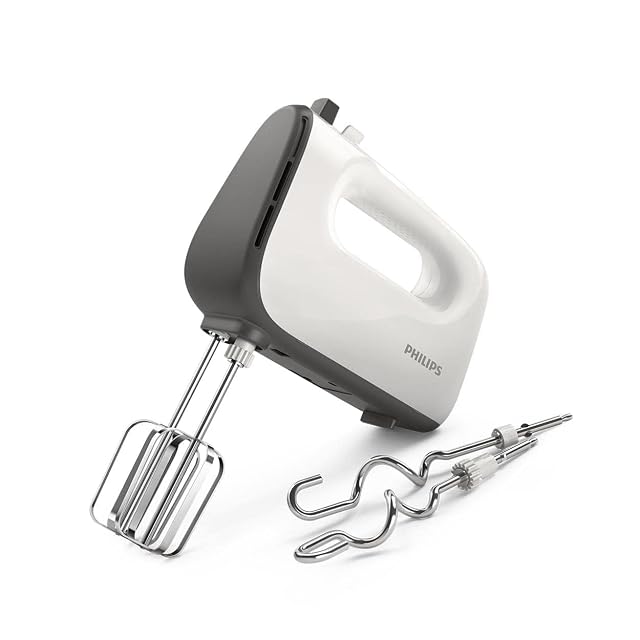
Where the gap shows. The hand mixer does not state whether its beaters
are dishwasher-safe — an odd omission on a range this carefully specified
elsewhere.
Buying Philips in the United States
All five models reviewed here are European references. Four have no
Amazon.com listing; the Airfryer 2000 NA229 is the European version and has
no current US price. They sit at the end of their shelves for that reason.
For US options, see the air-fry toaster ovens, the
stand mixers page — including the
Hamilton Beach Classic,
which doubles as a hand mixer — the
electric table grills page and the
brands page.