What is being cleared
Hot air and steam. Air fryers and toaster ovens vent upward and out of the back, and a cabinet immediately above one takes that heat. The published minimum gap exists to stop the underside of a cabinet blistering, and the appliance itself overheating.
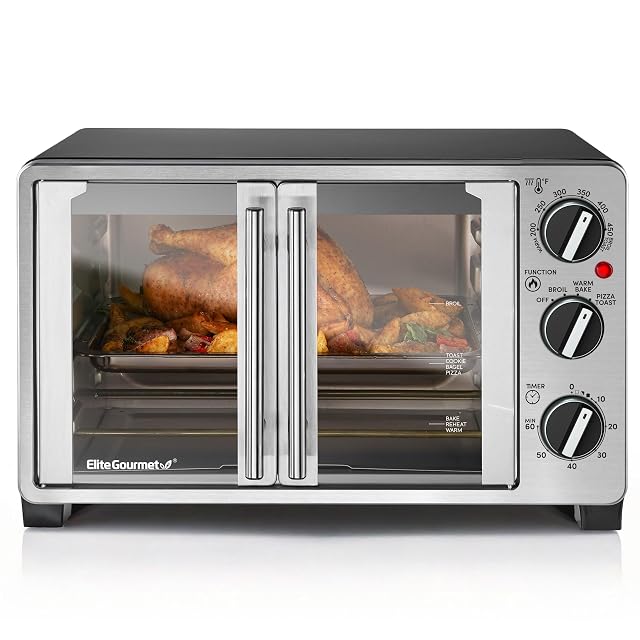
And the front, on some. A toaster oven with a drop-down door needs room in front for the open door and a tray; the Elite Gourmet French-door oven at $84.99 opens its two doors sideways, one at a time, so it needs none.
Where the figure lives
In the manual. Almost never in the listing. This is the single most consistent information gap in the category, and it is the reason to download a manual from the maker’s site before ordering rather than after.
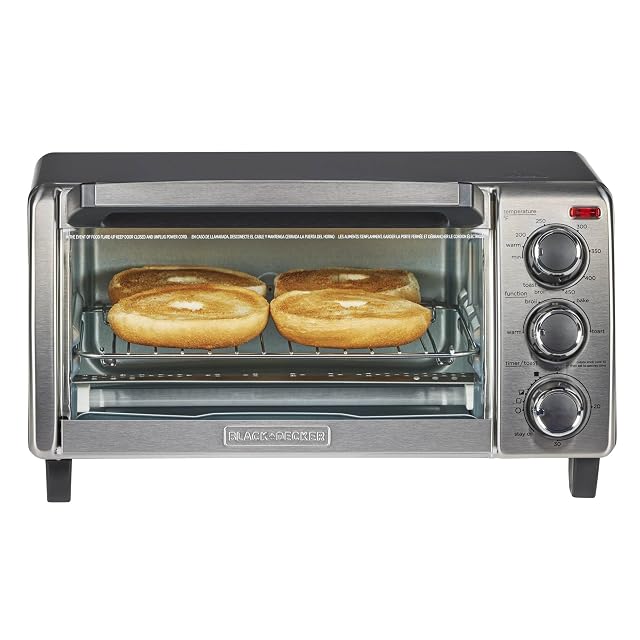
The one listing that comes close is the BLACK+DECKER toaster oven at $59.99, which warns that outer surfaces get hot and tells you to allow space — without saying how much.
The upward clearance nobody publishes
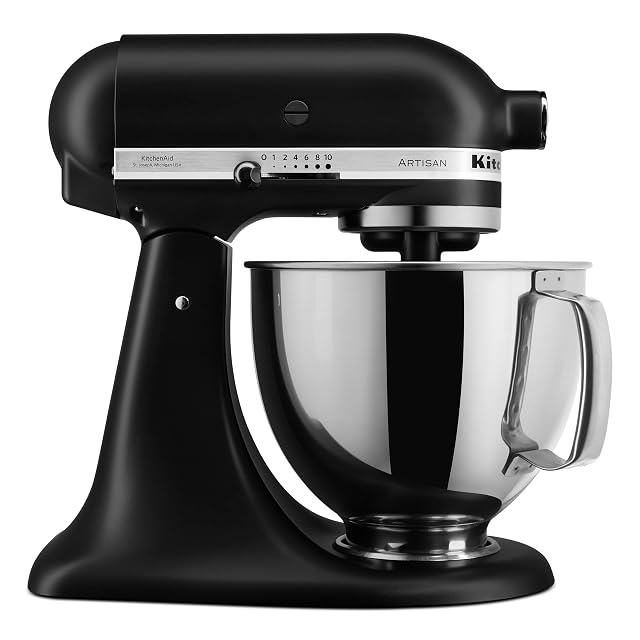
A tilt-head stand mixer. The head of a KitchenAid Artisan tips back to free the bowl, and no listing on this site gives the height it reaches. A mixer that fits under a wall cabinet closed may not open there. Measure from the counter to the underside of the cabinet, and compare it with the mixer’s height with the head up, not down.
A five-minute routine
Measure three numbers: the depth of the counter, the height to the underside of the wall cabinet, and the usable width between fixed units. Write them down. Then look for machines that publish enough to check against them — and treat one that publishes nothing as a machine you cannot size.
What we would not do
Assume that two toaster ovens of the same capacity need the same space. Volume is not footprint, and a 26-quart (25-liter) oven with a drop-down door and one with French doors need very different room in front of them.
Prices quoted in this text were read on 2026-10-17. The live price is at the top of the page.
What readers want to know
Why is clearance in the manual and not the listing?
We do not know, but it is consistent: air fryers and toaster ovens vent heat upward and outward, makers state a minimum gap in their instructions, and almost none of them puts it where a buyer would see it before ordering. Of the toaster ovens on this site, only the BLACK+DECKER carries a ventilation warning in its listing at all — "allow space" — and its one figure, 1½ inches, is the gap between the food and the top element, not between the oven and the wall.
How much is typical?
It varies by machine, which is why the figure to use is the one in your own manual rather than a rule of thumb. What is universal is that the requirement exists, and that the space directly above a heat-venting appliance matters more than the sides: a wall cabinet takes the heat and the steam every time it runs.
Does a stand mixer need clearance?
A tilt-head one does, upward. The head of a KitchenAid Artisan tips back to free the bowl, and no listing on this site publishes the height it reaches when it does — so a mixer that fits under a wall cabinet closed may not open there. Measure with the head raised, or choose a bowl-lift model, where nothing goes up.
Last reviewed 17 October 2026