Skip to content

ProfiCook PC-KM 1254 vs Kenwood KMX750BK

Buy for the batch you make now, or for the jobs you will add later?

One of these publishes its dough capacity. The other publishes the widest future. They are the two honest ways to choose a stand mixer, and they point at different machines. A note for American readers: both are European stand mixers with no current Amazon.com offer. For the same choice in the US — a big batch or a hub of attachments — see KitchenAid Artisan vs Hamilton Beach and the stand mixers page.

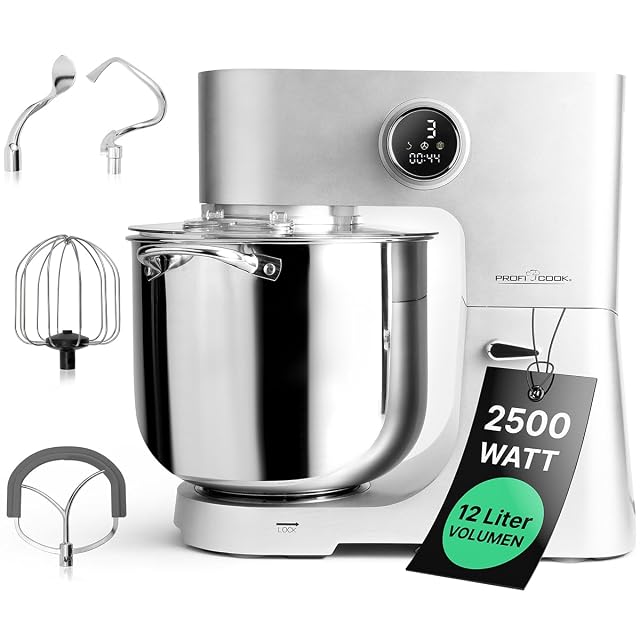
ProfiCook PC-KM 1254 stand mixer in titanium with 12-liter bowl

ProfiCook PC-KM 1254

8.4/10

Wins 5 of 8

Search Amazon

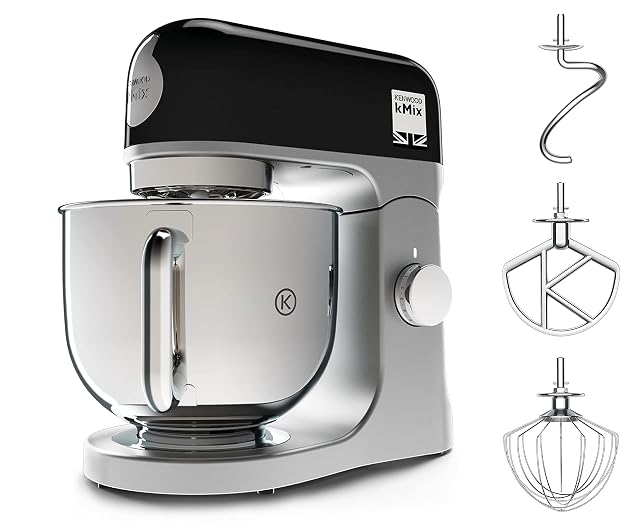
Kenwood kMix KMX750BK stand mixer in black with metal housing

Kenwood KMX750BK

7.8/10

Wins 2 of 8

Check price

Item by item

Compared on PC-KM 1254 KMX750BK
Power 2,500 W 1,000 W
Bowl 12 L (about 12.7 qt) Not published
Dough capacity Up to 18.7 lb (8.5 kg) Not published
Gearbox Metal, in die-cast aluminum Not published
Housing Die-cast aluminum Metal
Speed control 12 or 13 steps, per the listing Stepless, plus pulse
Attachments available Not published Over 20, dishwasher-safe
Display LED, speed and time Not published
Listed on amazon.com No Yes

A tick marks the better answer on that line only. Counting ticks does not decide the page — the two verdicts below do, because these products answer different questions.

Which of the two belongs in your kitchen

PC-KM 1254

No amazon.com listing was found for this one. We hold references for other markets but none for the United States, so it may not be buyable here — which is the first thing to weigh against anything below.

Take the ProfiCook to make bread in quantity. It publishes what it will actually turn — 18.7 lb of dough — and says what its gearbox is made of. Its own listing cannot decide between twelve and thirteen speeds, which is worth an eyebrow rather than a rejection.

Buy the KMX750BK

Take the Kenwood if the mixer has to keep acquiring jobs. Over twenty attachments on a metal body is what makes a stand mixer a ten-year appliance rather than a five-year one, and stepless speed with a pulse is fine control at the slow end. Judge it on the hub, not the 1,000 W.

What readers want to know

Is 1,000 W too little for bread?

Kenwood states the motor keeps a steady mixing speed under load and does not name a dough type either way. Where a maker publishes no limit we do not infer one — but ProfiCook publishes 18.7 lb, and no comparison on wattage substitutes for that.

Why does the gearbox matter more than watts?

Because stiff dough is a torque problem, and molded plastic gears are where inexpensive mixers fail. Few stand mixers publish what is inside; ProfiCook does.

Each one in detail

  • ProfiCook PC-KM 1254

    2,500 W · 12 L bowl · 8.5 kg (18.7 lb) dough

    The only stand mixer here that publishes what it will actually turn: up to 8.5 kg (18.7 lb) of dough in a 12-liter bowl, behind a 2,500 W motor, a die-cast aluminum housing and a metal gearbox. An LED display shows speed and time. Its speed count is published twice and differently — thirteen in the title, twelve in the text.

    Best for: Bread in real quantities, from someone who wants the dough figure before buying.

    8.4/10

  • Kenwood KMX750BK

    1,000 W · metal body · stepless + pulse

    The kMix: a 1,000 W motor in a metal housing, with stepless speed control and a pulse function rather than fixed steps. Kenwood states the range extends with over twenty dishwasher-safe attachments, and supplies a three-piece baking set — K-beater, whisk and dough hook — plus a splash guard.

    Best for: A mixer bought once, for the attachment range it opens rather than for its motor.

    7.8/10